
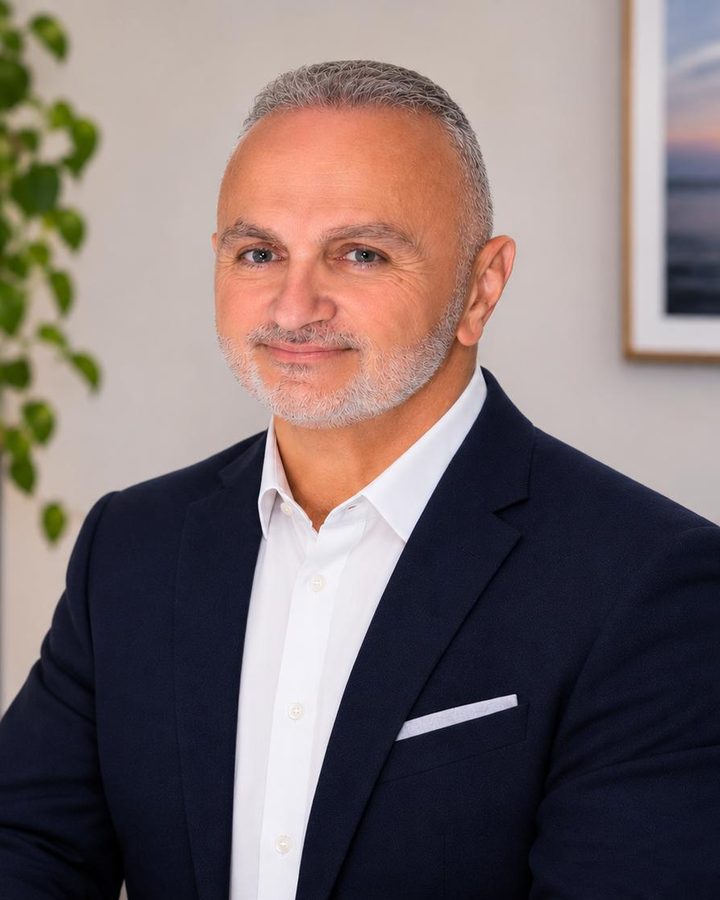
My purpose
“My purpose is to create a safe, respectful, and genuinely supportive space where you feel heard, understood, and empowered to make meaningful change.”
I focus on your story: your strengths, struggles, hopes and values.
Counselling with me is warm and practical, with evidence-based tools you can use between sessions.
My background
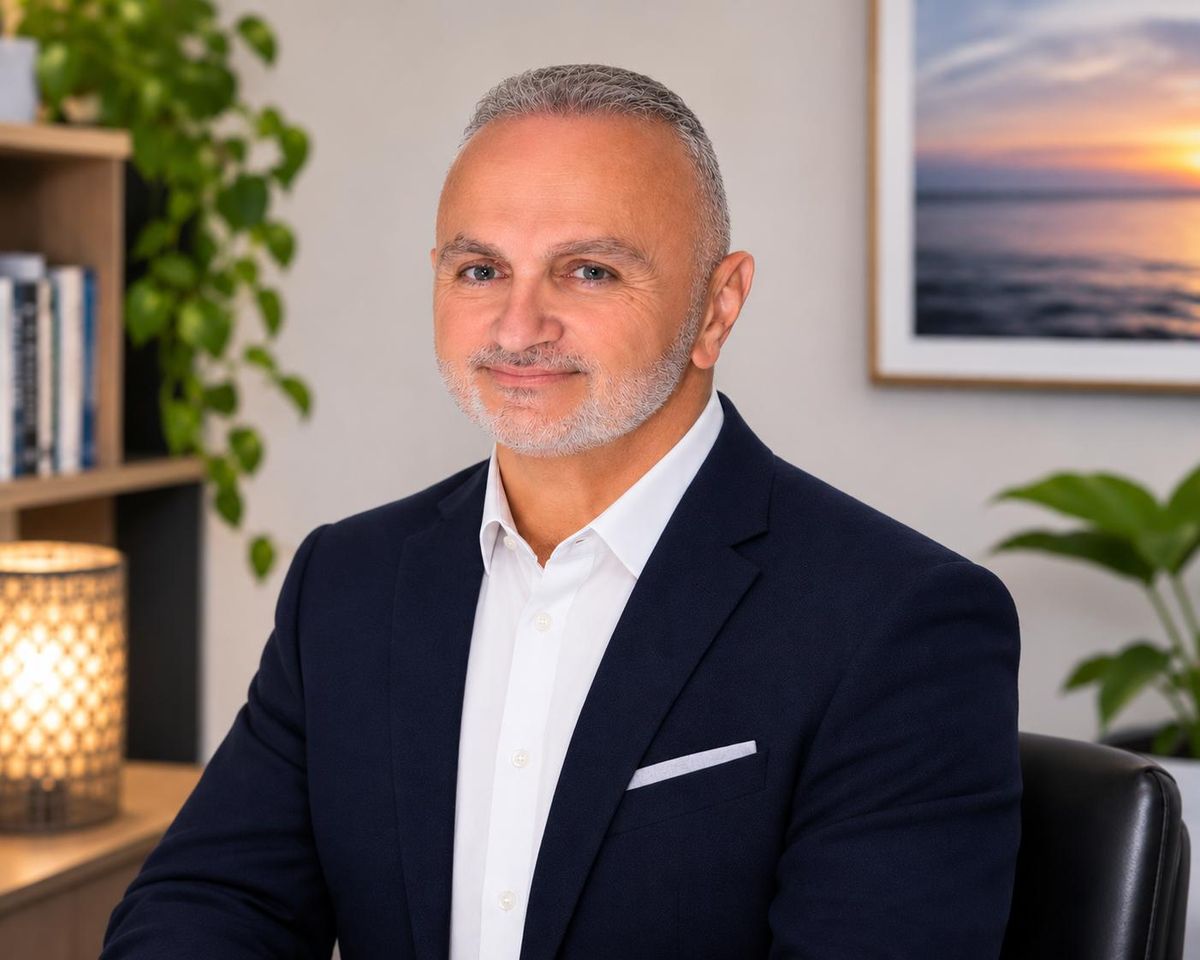
I bring decades of experience in healthcare and mental health care, combining my nursing background with professional counselling qualifications and therapeutic expertise to provide compassionate, evidence-informed and person-centred care.
My healthcare years included leadership, human resources and crisis support, and that clinical foundation means I can bring medical insight together with evidence-based therapy, and work comfortably alongside GPs and treating teams.
I also currently practise as a therapist in a specialised mental health clinic, providing individual and group therapy for people experiencing complex mental health challenges, including addictions, mood disorders, eating disorders and trauma.
In that role I deliver evidence-informed therapy tailored to each person’s needs, supporting emotional wellbeing, recovery and long-term resilience.
Qualifications and memberships
- Degree
- Master’s in Counselling
- Membership
- Australian Counselling Association (ACA), Level 2 member, registration R85075
- Membership
- Psychotherapy and Counselling Federation of Australia (PACFA), member 21037
- Couples therapy
- Gottman Method Couples Therapy, Levels 1 and 2 training, through the Gottman Institute
- Further training
- Qualified clinical hypnotherapist
- Current role
- Therapist in a specialised mental health clinic, providing individual and group therapy
- Experience
- Decades in nursing, healthcare and mental health care
Specialist training in these interventions
I’ve completed specialist training in the therapeutic approaches below.
Here’s the purpose of each one, and the benefits it aims to bring.
- Acceptance and Commitment Therapy (ACT)Helps you accept difficult thoughts and emotions while taking action in line with your personal values.BENEFITSPsychological flexibility, resilience and emotional wellbeing.
- Dialectical Behaviour Therapy (DBT)Teaches practical skills to manage intense emotions, distress and relationships.BENEFITSStronger emotional regulation, communication, mindfulness and coping skills.
- Compassion-Focused Therapy (CFT)Encourages self-compassion and eases harsh self-criticism.BENEFITSSelf-acceptance, emotional safety, confidence and resilience.
- Emotionally Focused Therapy (EFT)Helps you understand, express and manage your emotions, identify negative patterns of interaction, and build stronger, more secure emotional connections.BENEFITSEmotional awareness, healthier patterns of interaction and more secure connections.
- Couples Therapy (Gottman Method)Helps you both communicate, work through conflict and strengthen your connection, drawing on my Levels 1 and 2 Gottman Method training through the Gottman Institute.BENEFITSConstructive dialogue, understanding each other’s perspective, conflict-management skills and a deeper emotional connection.
- Somatic TherapyExplores the connection between the mind, the body and the nervous system.BENEFITSBody awareness, stress management, grounding and emotional regulation.
- Trauma-informed therapyRecognises the impact of trauma and puts safety, trust, choice and empowerment first.BENEFITSEmotional safety, recovery, resilience and a greater sense of control.
- Grief and loss counsellingSupports you through bereavement, separation and significant life changes.BENEFITSProcessing grief, managing difficult emotions, finding meaning and adjusting to loss.
- Shame and guilt counsellingHelps you understand and work through feelings of shame, guilt and self-blame.BENEFITSGentler self-talk, self-forgiveness, self-worth and healthier ways of coping.
Grief and loss counselling, shame and guilt counselling, and trauma-informed practice are areas and frameworks of practice rather than single therapy models, so they shape how I bring the other approaches together.
An integrated therapeutic approach
These approaches can be combined and tailored to your unique needs, experiences and goals.
By integrating different evidence-informed techniques, counselling becomes a personalised, holistic approach that supports emotional wellbeing, healing, resilience and meaningful, lasting change.
I also draw on Cognitive Behavioural Therapy (CBT).
Recognising the value of professional counsellors
Counsellors are highly valued professionals who bring together education, clinical training, therapeutic expertise and professional competence to support mental health and wellbeing.
Professional counsellors are:
- EducatedEquipped with formal qualifications and specialised knowledge.
- QualifiedHaving completed recognised academic and professional training.
- Clinically skilledTrained in evidence-based therapeutic approaches and interventions.
- CompetentAble to apply clinical knowledge, sound judgement and professional skills.
- Ethical and accountableGuided by professional standards, ethical frameworks and ongoing supervision.
- Compassionate and empatheticProviding respectful, non-judgemental and person-centred care.
- Trauma-informedRecognising the impact of trauma and prioritising emotional safety.
- Committed to professional developmentContinually strengthening their knowledge and therapeutic practice.
Counselling is more than simply listening.
It’s a skilled profession grounded in psychological knowledge, therapeutic expertise, ethical practice and evidence-informed interventions.
Professional counsellors play a significant role in supporting mental health, strengthening resilience, promoting emotional wellbeing and helping people work towards meaningful, lasting change.
Who I see
I work with adults, couples, families, teenagers and children, with small groups of up to 10 in my group programs, and with workplaces.
People come to me with anxiety, low mood, trauma, grief, relationship strain, addiction, chronic pain and big life changes, and often with several of these at once.
See all my counselling services, or read what to expect in your first session.
Professional standards
As a member of the ACA and PACFA, I follow their codes of ethics and practice, take part in regular professional supervision and keep up ongoing professional development.
In NSW, counsellors also follow the Code of Conduct for non-registered health practitioners.
If you have a concern about my practice, I’d like to hear it, so we can talk it through.
You can also contact the Australian Counselling Association, or the NSW Health Care Complaints Commission on 1800 043 159.
“If you’re finding things heavy or difficult to manage, you don’t have to carry it alone.”
Common questions
Which approaches will we use?
We choose together.
I combine and tailor approaches such as ACT, DBT, Compassion-Focused Therapy, Emotionally Focused Therapy and Somatic Therapy to your needs, experiences and goals, and adjust them as we go.
Do you take referrals?
Yes.
GPs, psychiatrists, psychologists, schools and employers are welcome to refer clients, and clients can also book directly, with no referral needed.
Support at any hour
Mind Therapy Room offers booked appointments, so for urgent support please use one of these services.
- Emergency000
- Lifeline, 24 hours, 7 days13 11 14
- Beyond Blue1300 22 4636